Established 2005Guided by your goals. Informed by our experience. Achieved together.
Cosmetic SurgeryFacelift Surgery — Surgical Facial Rejuvenation
Performed by Dr Tony Prochazka, Cosmetic Doctor, at Aesthetica Image Centre in Armadale, Melbourne, at Chelsea Day Hospital or Cremorne Private Day Hospital. Facelift surgery addresses the structural causes of facial ageing, not just the surface.
Medically reviewed by Dr Tony Prochazka, Cosmetic Doctor — Last updated 13 August 2026
Facelift
May not be suitable if you're seeking very early or subtle changes only, surface skin texture improvement, or want to avoid surgical downtime entirely.
At Aesthetica Image Centre in Armadale, Melbourne, we provide facelift surgery for individuals seeking surgical facial rejuvenation to address age-related changes in facial structure, contour and definition.
This surgery is performed by Dr Tony Prochazka, Cosmetic Doctor, with over 25 years' experience. Our approach focuses on patient safety, informed decision-making, and achieving natural facial proportions.
Considering a facelift is a significant personal decision.
We provide clear information and personalised recommendations so you can explore your options with confidence, without pressure.
What Does a Facelift Address?
A facelift, or rhytidectomy, is a surgical procedure designed to address age-related changes in the lower face and neck. These changes develop gradually as facial support structures weaken over time.
- Jowling
- Loss of jawline definition
- Neck laxity
- Deep facial folds
Who Is a Good Candidate?
- Experiencing more advanced laxity or structural changes
- Noticing jowling or loss of jawline definition
- Facial tissue descent no longer responding adequately to non-surgical treatments
- Generally in good health and able to undergo surgery
- Have realistic expectations and are seeking structural facial support rather than surface skin tightening
Types of Facelift Surgery
Facelift surgery works through multiple anatomical layers of the face to reposition and support tissues affected by gravity and ageing. The technique used depends on your anatomy, degree of change and treatment goals.

High SMAS Facelift
Repositions the superficial musculoaponeurotic system (SMAS) to improve support of the midface, jawline and lower face. Focuses on structural repositioning rather than skin tightening alone.
Deep Plane Facelift
Addresses deeper facial structures by releasing retaining ligaments, allowing more comprehensive repositioning of facial tissues. May be considered for more advanced tissue descent.
Noticing earlier, more limited signs of jowling or jawline softening? A smaller-incision option may be worth discussing. Explore Mini Facelift (MACS) surgery →
Your Facelift Consultation
Your journey begins with a personal consultation at Aesthetica Image Centre in Armadale, Melbourne. At your initial consultation, we will:
- Discuss your medical history and any current concerns
- Assess your facial anatomy and degree of tissue change
- Explain whether High SMAS, Deep Plane, a Mini Facelift, or a non-surgical option may be most appropriate
- Provide details about anaesthesia, recovery and expected outcomes
- Offer a detailed written estimate following your consultation
Under current AHPRA guidelines for cosmetic surgery, a valid referral is required before your consultation, and a minimum seven-day cooling-off period applies between your consultation and booking a surgical date. As part of this process, all patients are screened for underlying psychological factors, including body dysmorphic disorder (BDD), to help ensure surgery is the right and safe choice for you.
Procedure Overview
Each facelift procedure is performed at Chelsea Day Hospital or Cremorne Private Day Hospital. A typical procedure day may include:
- A pre-operative discussion confirming your treatment plan and any final questions
- Anaesthesia, as agreed during your consultation
- Your chosen technique — High SMAS or Deep Plane — carried out with care
- A period of monitoring in recovery before you're cleared to go home
- Most patients return home the same day, with a responsible adult to accompany them
Procedure duration varies depending on your chosen technique and whether any combination procedures — such as blepharoplasty or fat transfer — are performed.
Risks & Possible Complications
All surgical procedures carry risks. A detailed discussion of risks, benefits and alternatives forms part of your consultation.
- Bleeding or haematoma formation
- Infection
- Temporary or permanent changes in skin sensation
- Visible or unfavourable scarring
- Delayed wound healing
- Asymmetry
- Nerve injury affecting facial movement
- The need for further procedures
Individual medical factors influence risk and healing. This information is provided to support informed decision-making.
Facelift Aftercare
Your aftercare varies depending on the surgical technique used, your individual healing response, and your overall health. Structured aftercare may include:
- Personalised post-operative care plans
- Scheduled clinical reviews and follow-up appointments
- 24-hour access to medical support
- LED light therapy to assist healing, where clinically appropriate
- Optional oxygen therapy and lymphatic drainage, when indicated
You'll receive clear guidance on wound care, activity restrictions and expected healing milestones. Recovery is monitored closely to support healing and reduce the risk of complications.
This is a general guide only. Recovery, results and timing vary between individuals — your surgeon will provide guidance specific to your procedure and healing.
Learn more about our structured Surgical Aftercare programme →
Long-Term Care After Surgery
Facelift surgery addresses structural ageing changes, but the ageing process continues. Ongoing skin and tissue support may be recommended, including medical-grade skincare and non-surgical facial treatments where appropriate.
Our approach focuses on maintaining skin quality and tissue health after surgery, tailored to each patient's individual needs.
Your Facelift Team
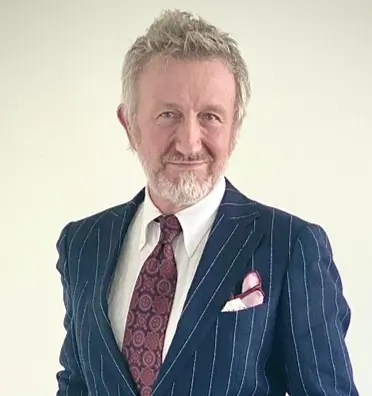
Dr Tony Prochazka
MBBS (Melb), FACCSM (Med), FCPCA · AHPRA MED0001181976More than 20 years' experience performing aesthetic and facial procedures, including facelift and eyelid surgery.
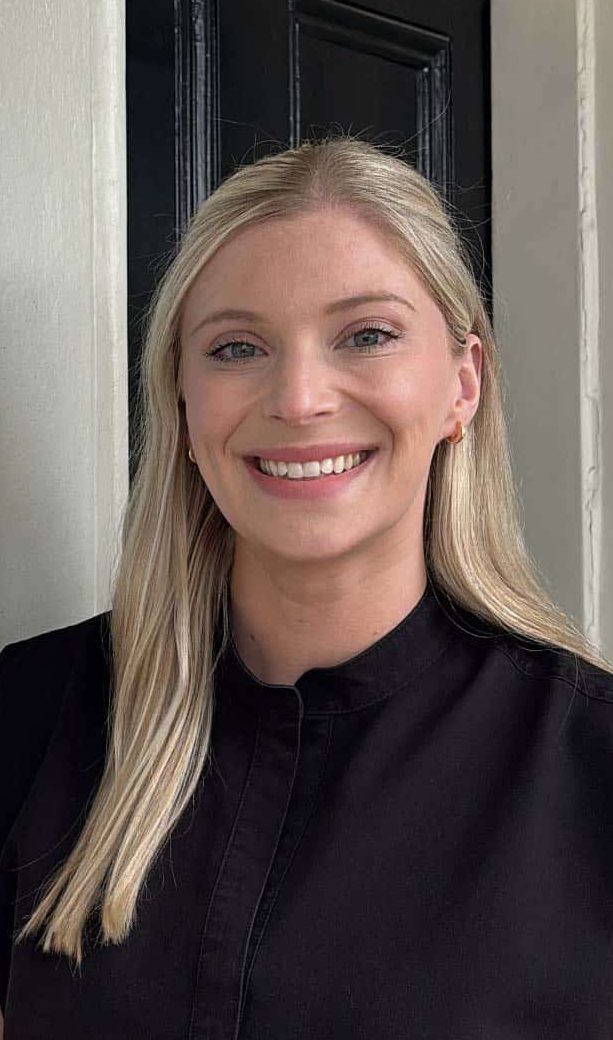
Kathryn Coen
BAppSc (Dermal Sciences), Victoria University · ASDC-RegisteredSpecialises in ageing and sun-damaged skin, acne and scarring. Highly experienced in non-surgical facial rejuvenation.
Ask Julie
Considering a facelift is a significant decision, and it's normal to have questions. I'm Julie Bates, Aesthetica's Patient Care Coordinator. Our online chat is answered by our friendly staff — no AI, no call centre — so you're always talking to a real person, at your own pace.
Frequently Asked Questions
$15,000 to $35,000+, depending on the surgical technique, complexity, anaesthesia requirements and hospital facility fees. A detailed written cost estimate is provided following your consultation, once the most appropriate approach has been determined for your anatomy and goals. We recommend requesting a full itemised fee breakdown from any provider you're considering, so you can compare like with like. Medicare and private health insurance don't typically cover facelift surgery performed for cosmetic reasons.
Suitability depends on your overall health, medical history, skin quality, degree of facial tissue change, and treatment goals. Good candidates are generally in good health, non-smokers (or willing to cease smoking prior to surgery), and have realistic expectations. Not everyone who enquires is suited to surgery — in some cases, non-surgical treatments like Ultherapy or a Thread Lift may be a more appropriate starting point.
There's no set age — suitability is based on your facial anatomy, degree of tissue change, skin quality and overall health, not age alone. Some patients notice early structural changes in their mid-forties; others don't consider surgery until their sixties or beyond. What matters is whether the changes are causing you concern, assessed during consultation.
A mini facelift (MACS) typically uses smaller incisions and addresses earlier or more limited lower face laxity, while a full facelift involves more comprehensive repositioning of underlying tissues — including the SMAS layer — and may also address the neck. The most appropriate approach is determined during consultation based on your anatomy and goals. Read more about Mini Facelift (MACS) surgery →
Modern techniques reposition the underlying structural layers of the face — particularly the SMAS — rather than simply pulling the skin tight, aiming for a natural, rested appearance. This avoids the stretched or "operated" look associated with older techniques. The goal is always a better, more youthful version of you.
Yes — the goal is to restore structural changes without altering your natural features or facial identity. Modern techniques work with your anatomy rather than against it. Dr Prochazka will take time to understand what concerns you most and set realistic expectations. No surgical outcome can be guaranteed, and results vary between individuals.
Typically ten years or more, depending on the surgical technique used, individual ageing patterns, skin quality, and lifestyle factors such as sun exposure and smoking. Techniques addressing deeper structural layers — such as Deep Plane or High SMAS — tend to provide more durable support. A facelift doesn't stop ageing; some patients complement results with non-surgical treatments over time to help maintain skin quality.
Most patients require 1–2 weeks away from work and social activities, with more strenuous activity typically restricted for 4–6 weeks. Swelling and bruising are common in the first 1–2 weeks and gradually improve. Structured aftercare — including scheduled follow-ups, 24-hour medical support access, and LED light therapy where appropriate — is part of your surgical journey, not an add-on.
Yes — it's often combined with other procedures for more comprehensive rejuvenation, including blepharoplasty (eyelid surgery), fat transfer to restore volume, and neck lift procedures where significant neck laxity is present. Combined procedures are discussed during consultation based on your individual anatomy and goals.
All surgical procedures carry risks, including bleeding or haematoma formation, infection, temporary or longer-lasting changes in skin sensation, visible or unfavourable scarring, delayed wound healing, asymmetry, and — rarely — nerve injury affecting facial movement. A thorough discussion of risks, benefits and alternatives forms part of every consultation.
Mini Facelift vs. Full Facelift
A mini facelift generally addresses earlier or more limited lower face laxity, using smaller incisions and a shorter recovery. A full facelift is designed to provide more comprehensive repositioning of facial tissues in the lower face and neck, for more advanced changes.
Facelift surgery may be more appropriate where non-surgical treatments are no longer sufficient.
Non-surgical treatments don't reposition or remove tissue, and aren't designed to correct more significant facial ageing changes.
Facelift vs. Non-Surgical Treatments
Facelift surgery addresses structural changes by repositioning underlying tissues and removing excess skin where appropriate. Non-surgical treatments such as Ultherapy and radiofrequency skin tightening support skin quality and mild tissue laxity, but don't reposition or remove tissue.

For more advanced facial ageing, surgery may be the most appropriate option.
Non-surgical treatments may be considered earlier in the ageing process, or as part of long-term maintenance.
Compare facelift vs. non-surgical skin tightening in detail →
Considering Non-Surgical or Less Invasive Options?
These treatments don't replace facelift surgery, but may be considered earlier in the ageing process, or where a less invasive option is being explored.

Indicative starting prices only — a personalised quote is provided following consultation.
Mini Facelift (MACS)
A smaller-incision surgical option for earlier signs of ageing, with a shorter recovery.
Explore Mini Facelift →RF Skin Tightening
May support skin quality and early changes in firmness.
Explore RF Skin Tightening →Thread Lift
A minimally invasive option that may provide subtle lifting in selected patients.
Explore Thread Lift →Viora V-ST, V-FR
Targeted radiofrequency treatment for skin quality and firmness.
Explore Viora Technology →Why Aesthetica Image Centre
We take the time to truly listen. Our patients often tell us they value our:
- Warm, caring and empathetic approach
- Genuine commitment to understanding individual needs
- Thoughtful, unrushed consultations
- Respect for informed choice and personal comfort
- More than 20 years of experience in cosmetic procedures, both surgical and non-surgical
- Collaborative team of qualified practitioners
- Convenient location in Armadale, Melbourne
- Personalised aftercare and support throughout your journey
Book Your Complimentary Appointment
If you'd like to discuss your goals or learn more about our treatments, we invite you to book a complimentary consultation with our patient care team — without pressure or obligation.
Book Your Appointment OnlineAesthetica Image Centre, 4 Northcote Road, Armadale VIC 3143. Full contact details and opening hours are below.
Get in touch
Consultations are available in person or by phone, and range from complimentary to $250.
Our Address
Aesthetica Image Centre
4 Northcote Road
Armadale VIC 3143
Call or text
(03) 9824 6134 or 0409 149 521
Online Chat
Ask Julie, reply to your online chat, no AI or call centre.
We look forward to your enquiry.
Since 2005, Aesthetica Image Centre has provided facial rejuvenation, aesthetic surgery and skin treatments to patients throughout Melbourne and Victoria.