Facelift Surgery in Melbourne
Facelift surgery is an elective operation that aims to reposition and reshape the tissues of the lower face and, depending on your plan, the neck. You might be thinking about it if you're concerned about jowls, looser skin in the lower face or the shape of your neck.
Medically reviewed by Dr Tony Prochazka, Cosmetic Doctor. Last updated 13 August 2026.
What Facelift Surgery May Help With
A facelift won’t stop ageing, make your face perfectly symmetrical or treat every skin quality concern. How much surgery is involved should depend on your anatomy, health and goals, and on a face-to-face consultation with your surgeon.
Your plan may involve cuts around the ear and hairline, repositioning deeper tissue and removing or redistributing some skin. Your surgeon will explain the exact technique, whether your neck is included, the anaesthesia and where your scars would be.
Is a Facelift Right for You?
A facelift may suit adults in good enough health whose concerns match what a facelift can actually treat, and who have realistic expectations about scars, recovery and continued ageing. Your surgeon may suggest waiting if you have a health condition that isn’t under control, use nicotine, have a bleeding risk, don’t have enough support at home, are unsure of your reasons, or have expectations surgery can’t meet.
This can’t be decided from an online quiz, a photo, your age or one concern on its own. You should have time to think things through, and you should never feel pressured to go ahead.
Your Medical Consultation and Referral
We’ll ask about your general health, heart and blood clot risk, medicines and supplements, smoking or nicotine use, previous facial surgery or treatments, skin quality, hairline, any scars, how your facial nerves are working, what you’re hoping for and who will support you during recovery. Your surgeon will talk with you about whether a full facelift, a smaller operation, another procedure or no treatment might suit you better.
At your consultation we’ll explain who is assessing you, what information we look at, whether you need a referral and how your consent is recorded. Coming to a consultation doesn’t mean surgery will be recommended.
Facelift Techniques and Your Individual Plan
A facelift may involve repositioning the deeper tissue layer (the SMAS), tightening or redraping the skin and, if planned, treating the neck. The cuts usually go around the ear and into the hairline. How much surgery you’d need and where the scars sit depend on your anatomy and your concern, and your surgeon will explain all of this for your own plan.
Anaesthesia and Accredited Facility Information
Cosmetic surgery takes place in an accredited facility. Before you agree to anything, your surgeon will explain where the operation will happen, what anaesthesia is planned and who will give it, whether you might stay overnight, and how to reach the team once you’re home, including after hours.
We’ll also give you clear instructions on fasting, which medicines to pause or keep taking, getting home safely and having a responsible adult with you after surgery.
Risks, Complications and Limitations
Facelift surgery carries real risks and possible complications. This is a general summary only, not a full or personal consent discussion:
- bleeding or a collection of blood under the skin (haematoma)
- infection and slow wound healing
- visible, widened or raised scars
- temporary or permanent nerve injury and facial weakness
- skin loss, hairline changes or hair loss near the cuts
- uneven results, irregular contours or needing revision
- complications from anaesthesia and blood clots
Before you decide, your surgeon will explain how likely each risk is, how serious it could be, how it would be managed and any risks specific to you. No procedure should be thought of as routine, risk-free or right for everyone.
Recovery, Follow-Up Care and Scarring
You may have bruising, swelling, tightness, changes in feeling and some unevenness in your face for a while. Your surgeon will give you personal instructions on wound care, drains if used, sleeping position, medicines, driving, work, exercise and symptoms that need urgent attention. How soon you feel ready to be out and about, and how long things take to fully settle, varies, so it can’t be boiled down to a set number of days.
We’ll help you tell the difference between normal healing and warning signs. Your surgeon will give you written instructions and a way to get urgent review. Recovery depends on you, the procedure, your work, how you heal and whether any complication occurs, so we’ll talk about timeframes with you individually.
Facelift, Mini Facelift and Non-Surgical Options
A facelift can’t stop ageing, guarantee a result without scars or perfectly even, remove every line or recreate an edited photo. A mini facelift may suit some earlier or more localised changes, and non-surgical skin treatments look after different concerns. None of these is a direct swap for the others.

Who you will see
Your practitioners
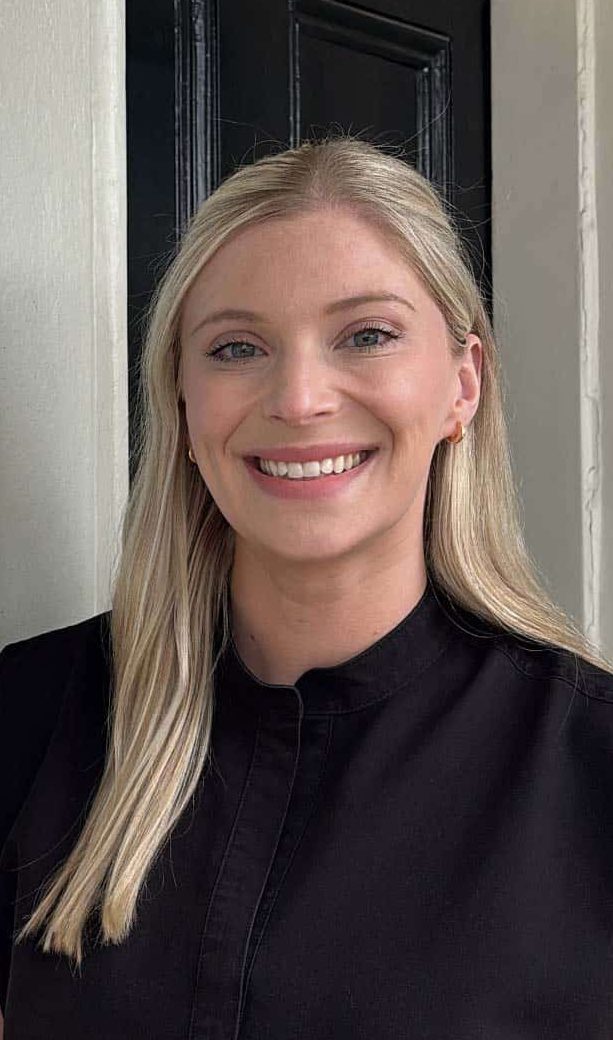
Dermal Clinician
Kathryn Coen
Works closely with our doctors on personalised skin rejuvenation and non-surgical treatment planning, with a focus on Ultherapy, RF skin tightening, Pixel fractional resurfacing, IPL and non-surgical labia reduction, including pre- and post-operative skin preparation and healing.
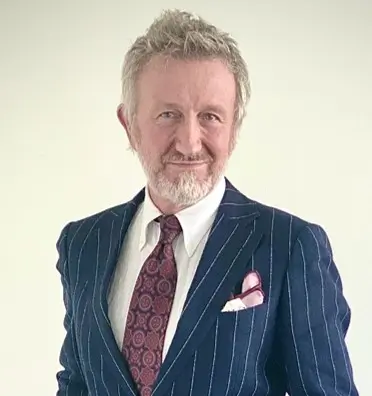
Cosmetic Doctor
Dr Tony Prochazka
Over 20 years’ experience in cosmetic medicine and surgery-related procedures, with a focus on breast augmentation, liposculpture, fat transfer, thread lifting, blepharoplasty, facelift and facial rejuvenation.
Former Inaugural Dean of the Faculty of Medicine at the Australasian College of Cosmetic Surgery, and former Vice-President of the Cosmetic Physicians Society of Australasia.
Questions
Facelift Surgery: Your Questions Answered
What does a facelift treat?
It mainly treats some of the tissues of the lower face and neck. It doesn’t treat every wrinkle, pigmentation concern or change in skin texture.
How long will the result last?
There’s no set timeframe. Your anatomy, the technique, how you heal, ageing and lifestyle all affect how things change over time.
Will the scars be visible?
Cuts are planned along natural contours, but scars are permanent and how they look varies from person to person.
Can a non-surgical facelift produce the same result?
No. Device-based treatments usually have different aims, limits and duration.
What are the urgent warning signs after surgery?
Your surgeon will give you specific instructions. Sudden swelling, severe pain, trouble breathing, chest pain or any nerve symptoms need urgent assessment.
Do I need a referral?
Yes. You need a referral from your GP or a medical specialist before cosmetic surgery.
You may also want to read
Related treatments
Mini Facelift
MACS lift
A shorter-scar facelift that may suit early to moderate changes in the lower face and jawline.
Learn moreUltherapy
Micro-focused ultrasound
Ultrasound treatment aimed at deeper layers that may be an option for mild to moderate laxity.
Learn moreRF Skin Tightening
Viora V-ST
Radiofrequency treatment that heats deeper skin layers to support collagen.
Learn more