Breast Implant Surgery in Melbourne
Breast implant surgery is an elective operation that uses an implant to change the volume or shape of your breasts. Before anything is decided, we'll talk carefully with you about your reasons, your anatomy and health, implant options, scars, future check-ups, the chance of revision surgery and the alternatives.
Medically reviewed by Dr Tony Prochazka, Cosmetic Doctor. Last updated 13 August 2026.
Why People Ask Us About Breast Implants
We’ll ask about your breast and chest anatomy, general health, your own and your family’s breast history, screening, any plans for pregnancy or breastfeeding, medicines, smoking, previous implants or surgery, what you’re hoping for and whether you can commit to long-term follow-up. Your surgeon will talk with you about whether an implant, fat transfer, a lift, a combined procedure or no surgery at all might suit you better.
At your consultation we’ll explain who is assessing you, what information we look at, whether you need a referral and how your consent is recorded. Coming to a consultation doesn’t mean surgery will be recommended.
Your Medical Consultation and Your Anatomy
At your consultation we look at your breast and chest wall anatomy, skin quality, existing breast tissue and any differences between sides, along with your health, family history and plans for pregnancy or breastfeeding. Measurements help guide implant options, but they can’t guarantee a particular size or shape. You’ll have time to think things over, and a second consultation, before you decide.

Implant Type, Size, Shape and Placement
Implants differ in what they’re filled with, their surface, shape and profile, and they can sit above or below the chest muscle. Each choice has trade-offs in how it feels, how visible it is, the risks and the chance of future surgery. Your surgeon will explain the implant type, size, shape, surface, placement, incision, anaesthesia and facility they suggest, using current manufacturer and regulatory information.

Anaesthesia, Facility and Surgical Planning
Cosmetic surgery takes place in an accredited facility. Before you agree to anything, your surgeon will explain where the operation will happen, what anaesthesia is planned and who will give it, whether you might stay overnight, and how to reach the team once you’re home, including after hours.
We’ll also give you clear instructions on fasting, which medicines to pause or keep taking, getting home safely and having a responsible adult with you after surgery.
Risks, Complications and Keeping an Eye on Your Implants
Breast implants carry real risks and possible complications. This is a general summary only, not a full or personal consent discussion:
- bleeding, infection and slow healing
- capsular contracture, firmness or pain
- implant rupture, deflation, movement, rippling or rotation
- uneven results, scarring and changes in nipple or breast sensation
- needing revision, replacement or removal
- breast implant-associated cancer and systemic symptoms, discussed where relevant
- complications from anaesthesia and blood clots
Before you decide, your surgeon will explain how likely each risk is, how serious it could be, how it would be managed and any risks specific to you. No procedure should be thought of as routine, risk-free or right for everyone.
Recovery, Support Garments and Follow-Up Care
Recovery depends on the operation and the work you do. Your written instructions will cover support garments, wound care, medicines, driving, lifting, exercise, sleeping position and symptoms that need urgent attention. We’ll give you an implant record and explain long-term monitoring and who to contact if you notice any changes.
We’ll help you tell the difference between normal healing and warning signs. Your surgeon will give you written instructions and a way to get urgent review. Recovery depends on you, the procedure, your work, how you heal and whether any complication occurs, so we’ll talk about timeframes with you individually.

Revision, Replacement and Future Surgery
Breast implants aren’t lifetime devices. Over time, some people need more surgery to replace or remove their implants, or to treat complications like capsular contracture or rupture. Pregnancy, weight change and ageing can also change your breast shape. It’s worth thinking about long-term follow-up and the chance of future surgery, including the cost, before you decide.
Breast Implants and Alternative Options
Other options to consider may include:
- no surgery
- a fat transfer assessment, where it suits
- a breast lift assessment for skin or position concerns
- external garments or prostheses
- an implant removal or revision assessment if you already have implants
Implants don’t last forever, and you may need more surgery. We can’t guarantee perfect symmetry or a specific cup size. Pregnancy, weight change and ageing will keep affecting breast shape. Choosing no treatment is always a valid option. A less invasive procedure isn’t automatically safer or the same as surgery.
Who you will see
Your practitioner
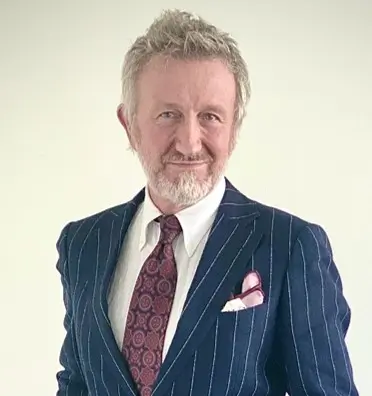
Cosmetic Doctor
Dr Tony Prochazka
Over 20 years’ experience in cosmetic medicine and surgery-related procedures, with a focus on breast augmentation, liposculpture, fat transfer, thread lifting, blepharoplasty, facelift and facial rejuvenation.
Former Inaugural Dean of the Faculty of Medicine at the Australasian College of Cosmetic Surgery, and former Vice-President of the Cosmetic Physicians Society of Australasia.
Questions
Breast Implants: Your Questions Answered
Are breast implants permanent?
No. They aren’t lifetime devices, and you may need future monitoring, revision, replacement or removal.
Can a cup size be guaranteed?
No. Bra sizes aren’t standard, and your anatomy and implant choice both affect the result.
What is capsular contracture?
Scar tissue naturally forms around an implant. For some people it tightens, which can cause firmness, pain or a change in shape.
Will breastfeeding be affected?
Surgery may affect sensation or breastfeeding. Please talk with us about any plans for pregnancy and breastfeeding.
What follow-up is required?
Your surgeon will explain your routine check-ups, your implant record and any imaging or monitoring that applies to your implant.
Do I need a referral?
Yes. Under Australian rules you need a referral from your GP or another doctor before a cosmetic surgery consultation. Your GP can talk this through with you.