Otoplasty & Ear Pinning Surgery in Melbourne
Otoplasty is an elective operation that changes the shape, position or proportion of the outer ear. Ears come in all shapes, and treatment is always your choice.
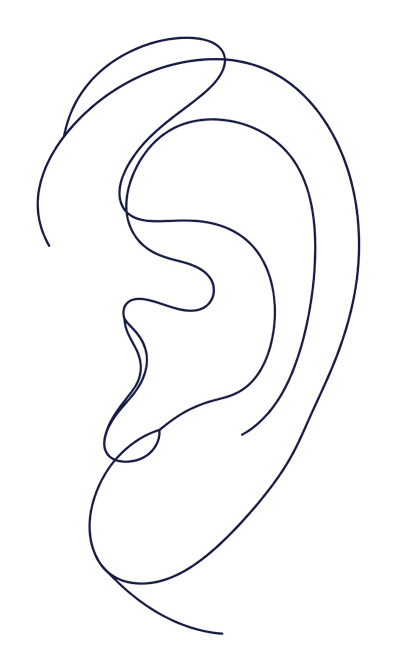
Adult Ear Shape and Position Concerns
Adults often ask us about otoplasty for concerns such as:
- ears that sit prominently
- differences between the two ears
- particular concerns about cartilage shape
- revision after earlier ear surgery or injury
Having a concern doesn’t mean treatment is needed or right for you.
Your Medical Consultation and Whether Surgery Suits You
To be considered, you need to be an adult who can give informed consent, with steady reasons of your own, good enough health and realistic expectations. This information is for adults and isn’t aimed at anyone under 18. Any care involving a young person follows separate professional safeguards.
We can’t decide whether surgery suits you from an online quiz, a photo, your age or one concern alone. You should have time to think it over, and you should never feel pressured to go ahead.
Otoplasty Techniques and Individual Planning
Your surgeon will ask about your health, medicines, smoking, any earlier ear surgery or injury, your skin and cartilage, any hearing or ear symptoms, your expectations and your reasons for considering surgery. If you have hearing problems, infection or pain, you may need to see an ear, nose and throat specialist rather than have cosmetic surgery.
At your consultation we’ll explain who will assess you, what information we’ll review, whether you need a referral and how your consent is recorded. Coming to a consultation doesn’t mean treatment will be recommended.
Anaesthesia and Procedure Setting
Cosmetic surgery takes place in an accredited facility. Before you agree to anything, your surgeon will explain where the operation will happen, what anaesthesia is planned and who will give it, whether you might stay overnight, and how to reach the team once you’re home, including after hours.
We’ll also give you clear instructions on fasting, which medicines to pause or keep taking, getting home safely and having a responsible adult with you after surgery.
Risks, Complications and Asymmetry
Like all surgery, otoplasty can involve significant risks and complications. This is a general summary, not a full or personal consent discussion:
- bleeding, infection and delayed healing
- scarring, keloid or hypertrophic scar
- asymmetry, over-correction or under-correction
- cartilage irregularity or suture problems
- change in skin sensation
- recurrence and need for revision
- anaesthetic complications
Before you decide, your surgeon will explain how likely each risk is, how serious it could be, how it would be managed and any risks that apply to you personally. No procedure should be seen as routine, risk-free or right for every adult.
Recovery, Dressings and Follow-Up
You may need to wear a head dressing or protective band as directed, look after your wound and avoid certain sleep positions, sport and pressure on your ears for a while. Swelling, bruising, tenderness and numbness differ from person to person. Your surgeon will give you a personal timeline rather than a guaranteed date for getting back to work.
We’ll help you tell the difference between what’s expected and what’s a warning sign. Your surgeon will give you written instructions and a way to get urgent review if you need it. Recovery depends on you, the procedure, your work, how you heal and whether any complication occurs, so we’ll talk through timeframes with you individually.
Scarring and Realistic Expectations
Otoplasty can’t guarantee identical ears, invisible scars, lasting symmetry or any social or emotional outcome. Cartilage can change over time or partly move back toward where it was.
Your anatomy, health, the treatment you choose, the technique, how you heal and ongoing ageing all affect the outcome. No natural, perfect, youthful, confidence-enhancing, permanent or photo-matched result can be guaranteed.
Alternatives and When Surgery Is Not Appropriate
Other options you could consider include:
- no surgery
- hairstyle or other non-medical ways to change how your ears look
- a medical or ENT review if you have symptoms
- a second surgical opinion
Surgery is optional, and choosing no treatment is a perfectly valid decision.
Questions
Otoplasty: Your Questions Answered
Is this page for children?
No. This information is for adults. Any care involving a young person follows separate professional safeguards.
Will the ears be identical after surgery?
No. Some difference between ears is normal, and perfect symmetry can’t be guaranteed.
Where are the scars?
They’re often behind the ear, but where they sit depends on the technique, and scars are permanent.
Can the ears become prominent again?
Yes, the ears can partly move back, and you may need revision surgery.
Does surgery affect hearing?
Otoplasty changes the shape of the outer ear. It isn’t meant to improve hearing.
Do I need a referral?
Yes. Under Australian rules you need a referral from your GP or another doctor before a cosmetic surgery consultation. Your GP can talk this through with you.
You may also want to read