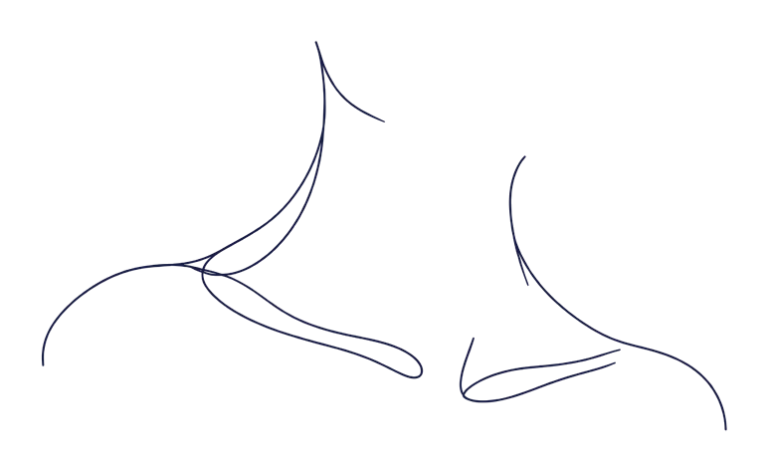
Breast Implants placement
If you'd like more information, we're happy to hear from you by email, text, online chat or phone.
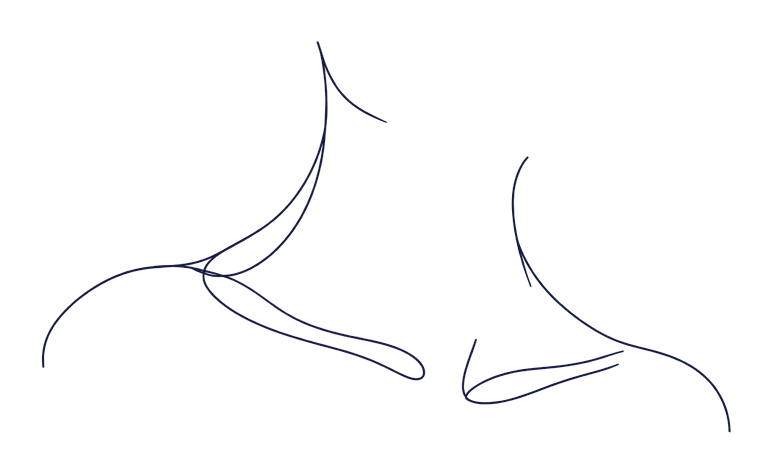
Types of Breast Implants
Saline Breast Implants
Filled with sterile salt water. If a saline implant ruptures, the salt water is absorbed by the body.
Silicone Breast Implants
Filled with a cohesive silicone gel that’s designed to feel similar to breast tissue and hold its shape.
Dr Tony will talk you through implant type, size and profile options based on your anatomy and goals.
Placement to Suit Your Body
Where your implants are placed can affect both your result and your recovery.
- Submuscular (under the muscle): The implant sits beneath the chest muscle, which may reduce the risk of capsular contracture.
- Subglandular (above the muscle): Recovery may be shorter for some people, and it may suit you if you have enough breast tissue of your own.
- Dual plane (partly under the muscle): Combines both approaches to help shape the upper breast. It may be considered if you have limited breast tissue of your own.
Your surgeon will explain which approach may suit your anatomy and what you’re hoping for.
Incision Techniques for Implant Insertion
There are several ways to insert breast implants, and the choice depends on you:
- Inframammary (under the breast fold): A commonly used approach that allows careful placement.
- Periareolar (around the nipple): May suit you if you’re concerned about where a scar will sit.
- Transaxillary (through the armpit): Places the scar in the armpit rather than on the breast.
We’ll go through every incision option, and what each involves, at your consultation.
Recovery after Breast Augmentation
Recovery is an important part of breast augmentation.
You can expect some swelling, tightness or discomfort in the first few days. This is expected and usually settles, but please let us know if anything worries you.
Key recovery tips:
- Wear your post-surgical support bra as advised
- Avoid strenuous activity or heavy lifting for several weeks
- Come to all your follow-up appointments so we can check your healing
Many people return to light activities within about 7 to 14 days, but recovery varies, and changes continue to settle over the following months.
Aesthetica’s Personalised Aftercare
We want you to feel looked after throughout your recovery.
Your aftercare includes:
- Regular follow-up visits with your surgical team
- Ongoing guidance on caring for your implants and breast health
- Access to advice and support when you need it
Our aim is for you to feel supported and comfortable at every stage, and to always know who to contact if something doesn’t feel right.
Please get in touch if you’d like more information about our aftercare.
Who you will see
Your practitioner
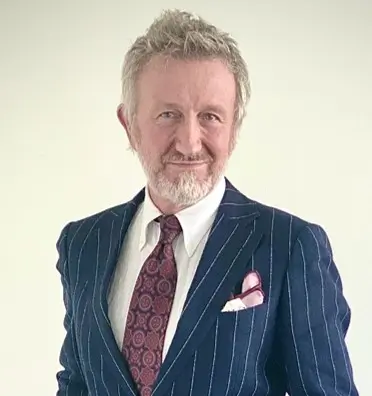
Cosmetic Doctor
Dr Tony Prochazka
Over 20 years’ experience in cosmetic medicine and surgery-related procedures, with a focus on breast augmentation, liposculpture, fat transfer, thread lifting, blepharoplasty, facelift and facial rejuvenation.
Former Inaugural Dean of the Faculty of Medicine at the Australasian College of Cosmetic Surgery, and former Vice-President of the Cosmetic Physicians Society of Australasia.
Before you decide
Risks and recovery
All surgical procedures carry some risk.
Potential complications of breast augmentation may include:
- Capsular contracture (scar tissue hardening)
- Implant rupture or leakage
- Infection
- Changes in nipple or breast sensation
Your surgeon will discuss all possible risks and how they are managed before you decide to proceed.
Cost
Cost
Consultation fees depend on the type of consultation and who you'll see. We'll confirm the fee when you book, so there are no surprises.
Questions
Breast Implant Placement: Your Questions Answered
How do I know if breast implants are right for me?
Your surgeon will look at your health, anatomy and goals to help work out whether breast augmentation suits you.
What is the difference between saline and silicone breast implants?
Saline implants are filled with sterile salt water. Silicone implants contain a cohesive gel that’s designed to feel similar to breast tissue.
How long do breast implants last?
Implants aren’t lifetime devices. Many last for years, but they may eventually need to be replaced or removed.
Can I breastfeed after breast augmentation?
Often breast implants don’t affect breastfeeding, but this can depend on where the implant sits and the incision used. Your surgeon will talk this through with you in detail.
You may also want to read