Thread Lift Treatment in Melbourne
A thread lift is a minimally invasive procedure where absorbable or non-absorbable threads are placed under the skin to support or reposition selected tissue. We don't call it non-surgical, because the skin is entered with a needle and material is left in place.
What a Thread Lift Is
In a thread lift, fine threads are placed under your skin through small entry points, using a needle or cannula, to support or reposition selected tissue. The threads may be absorbable or non-absorbable. It’s a minimally invasive procedure done under local anaesthetic, and it doesn’t give the same change, predictability or longevity as a facelift.
Why It Is Minimally Invasive Rather Than Non-Surgical
Because the skin is entered and material is placed beneath it, a thread lift carries procedural risks that treatments on the surface of the skin don’t. It can’t do what a facelift does, stop ageing, or guarantee symmetry or how long it lasts. Threads can sometimes be felt or seen, can move, or may need to be removed.

Concerns It May Help With
People often ask us about a thread lift for concerns like:
- mild drooping of tissue in the lower face or brow
- wanting to consider a minimally invasive option
- a concern that matches the threads and technique we offer
Having a concern doesn’t mean you need treatment, or that it’s right for you.
Who It May and May Not Suit
A thread lift may suit some adults with realistic expectations whose health and tissue are suitable. It may not suit you if you have an active infection, a bleeding risk, very thin or heavy tissue, significant laxity, have had complications before, or are hoping for a surgical result.
We can’t tell whether it suits you from an online quiz, a photo, your age or one concern alone. You should have time to think things over, and you should never feel pressured to go ahead.
Procedure Planning and Thread Placement
Your assessment looks at your health, medicines, bleeding and infection risk, previous facial procedures, any implanted material, skin thickness, tissue laxity, facial anatomy, your expectations and whether you can manage the aftercare. Your doctor will also tell you when a facelift, a device treatment or no treatment would be a better choice.
At your consultation we’ll explain who is assessing you, what information we look at, whether you need a referral and how your consent is recorded. Coming to a consultation doesn’t mean we’ll recommend treatment.
Risks, Complications and Limitations
A thread lift carries real risks and possible complications. Here’s a general summary, but it isn’t a complete or personal consent discussion:
- pain, bruising, swelling and bleeding
- infection
- threads that can be seen or felt, or that work their way out or move
- dimpling, bunching, asymmetry or an uneven contour
- injury to nerves, blood vessels or glands
- scarring, ongoing pain, or needing removal or revision
Before you decide, the doctor responsible for your care will explain how likely and how serious each risk is, how it’s managed, and any risks specific to you. No procedure should be thought of as routine, risk-free or right for every adult.
Recovery and Follow-Up
You may have bruising, swelling, tenderness, tightness, puckering or temporary asymmetry. Your written aftercare will cover facial movement, sleep, exercise, dental care where relevant, skin care and symptoms that need urgent attention.
It’s important to know which effects are expected and which are warning signs. Your doctor will give you written instructions and a way to be seen urgently if needed. Recovery depends on you, the procedure, your work, how you heal and any complications, so we’ll talk through timeframes with you personally.
Thread Lift Compared With Facelift and Ultherapy
Other options you could consider include:
- no treatment at all
- Ultherapy or RF skin tightening for different mild concerns
- an assessment for a facelift or mini facelift
- professional skincare for surface concerns
Who you will see
Your practitioner
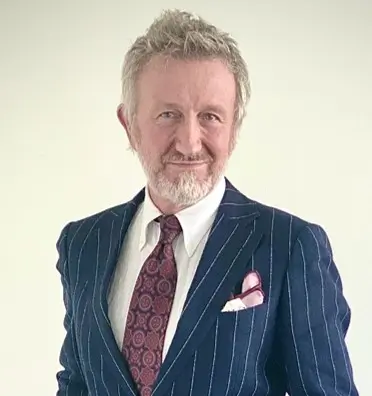
Cosmetic Doctor
Dr Tony Prochazka
Over 20 years’ experience in cosmetic medicine and surgery-related procedures, with a focus on breast augmentation, liposculpture, fat transfer, thread lifting, blepharoplasty, facelift and facial rejuvenation.
Former Inaugural Dean of the Faculty of Medicine at the Australasian College of Cosmetic Surgery, and former Vice-President of the Cosmetic Physicians Society of Australasia.
Questions
Thread Lift: Your Questions Answered
Is a thread lift non-surgical?
It’s more accurate to call it minimally invasive, because the skin is entered and threads are placed beneath it.
Is it the same as a facelift?
No. The procedure, the amount of change, how long it lasts, scarring and risks are all different.
How long does it last?
We can’t promise a set length of time. Your tissue, the product, where it’s placed and ageing all affect how things change over time.
Can threads be removed?
Some complications may mean threads need removing or revising, and that can be difficult and carries its own risks.
Will there be dimpling?
Dimpling, bunching and asymmetry are known possibilities, and they can be temporary or ongoing.
You may also want to read
Related treatments
Non-surgical Facial Treatments
Face and neck
Options led by our clinicians for skin quality, laxity and early signs of ageing.
Learn more
Facelift
Rhytidectomy
Surgery that lifts and repositions facial tissue where the lower face and neck have loosened.
Learn moreMini Facelift
MACS lift
A shorter-scar facelift that may suit early to moderate changes in the lower face and jawline.
Learn more