spider vein treatments at aesthetica
Spider veins are a common concern for both women and men, and they most often appear on the legs or face. They're usually harmless, but many people come to us for assessment and treatment because of how they look or because they feel uncomfortable. At Aesthetica Image Centre, we offer medical assessment and a range of non-surgical spider vein treatment options, planned around the type, size and location of your veins, as well as your health and concerns.
What are spider veins?
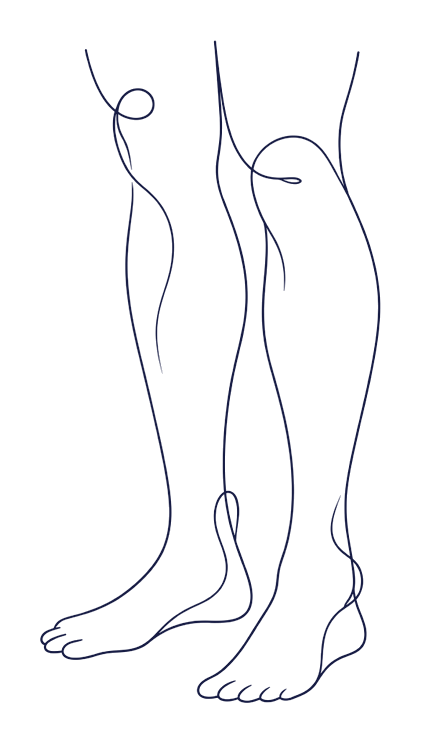
Spider veins (also called thread veins or broken capillaries) are small blood vessels you can see close to the surface of your skin. They often look red, blue or purple and can look like fine lines or a web-like pattern.
Spider veins most often appear on the:
- Legs and thighs
- Ankles and calves
- Face (particularly around the nose and cheeks)
What causes spider veins?
Spider veins can develop for a range of reasons, including:
- Genetics
- Hormonal changes (including pregnancy)
- Standing or sitting for long periods
- Ageing
- Sun exposure (for facial veins)
- Previous vein disease
Sometimes spider veins are linked to an underlying vein problem, which is why we do a medical assessment before any treatment.
Spider Vein Treatment Options
No single treatment suits every spider vein. At Aesthetica, we recommend options based on the type, size and location of your veins and whether treatment suits you medically.
Sclerotherapy
Sclerotherapy is a commonly used medical treatment for spider veins on the legs. A solution is injected into the vein, which causes it to gradually close and fade over time.
Sclerotherapy may suit:
- Small to medium leg spider veins
- Certain reticular (feeder) veins
You may need several sessions, and results vary from person to person.
Laser or IPL treatment
Laser or IPL (Intense Pulsed Light) may be used for:
- Fine spider veins
- Facial spider veins
- Smaller surface vessels not suitable for injection
It works by targeting the blood inside the vessel, which causes the vessel to collapse and be reabsorbed by your body over time.
Ultrasound-guided assessment
Sometimes we may recommend an ultrasound to check how your veins are working underneath, especially if your spider veins are extensive or keep coming back. This helps us plan treatment more carefully and reduce risk.
What areas can be treated?
Depending on your assessment, spider vein treatment may be an option for the:
- Legs
- Thighs
- Calves
- Ankles
- Face (including nose and cheeks)
Not every vein is suitable for treatment, and we’ll need to see you for a consultation to work out your options.
What to Expect From Your Spider Vein Treatment
Spider vein treatments are done as outpatient procedures, so you go home the same day. Recovery varies from person to person, and you may have some temporary effects, such as:
- Mild redness or swelling
- Bruising
- Temporary skin colour changes
Any improvement usually develops gradually over weeks to months. You may need more treatments, and results can’t be guaranteed.
Is spider vein treatment right for you?
Spider vein treatment isn’t right for everyone. A medical consultation is essential so we can:
- Check the type of vein and what may be causing it
- Go over your medical history
- Talk through the risks, limits and what you can realistically expect
- Work out which treatment options suit you
Your Next Step
If you’re concerned about how your spider veins look and would like to talk through your options, you’re welcome to book a confidential consultation at Aesthetica Image Centre.
Before you decide
Risks and recovery
Spider vein treatments can cause bruising, itching, tenderness or temporary brown staining along the vein. Fine new vessels can appear near the treated area. Rarely, sclerotherapy can cause skin ulceration, allergic reaction or a blood clot. Compression and walking are usually advised afterwards, and results vary between individuals.
Cost
Cost
Consultation fees depend on the type of consultation and who you'll see. We'll confirm the fee when you book, so there are no surprises.
Questions
Spider Vein Treatments: Your Questions Answered
What types of spider veins can be treated?
There may be options for many spider veins, depending on their size, depth and location. We’ll need to see you for a consultation to work out whether treatment suits you.
Are spider vein treatments painful?
Most people feel only mild discomfort during treatment. How it feels depends on the treatment and on how sensitive you are.
How many treatments will I need?
It varies. Some veins may respond after one session, while others need several treatments over time.
Are the results permanent?
No. Treated veins may fade or disappear, but new spider veins can develop in the future. Results vary from person to person.
Is spider vein treatment safe?
Like any medical procedure, spider vein treatment carries risks and side effects. We’ll do a proper medical assessment first and talk you through these at your consultation, so you can make an informed decision.
Do I need a consultation before treatment?
Yes. A consultation lets us assess your veins, talk about whether treatment suits you and work out the options that fit you best.